

“When European settlers arrived at the start of the 17th century, forests covered much of the eastern and northern portion of North America. By the late 1800s, 85 to 90 percent of these forests had been cut. Only about 1 percent of original intact old-growth forest remains in the lower 48 states. Regrowth now covers 62 percent of areas that originally were forested, and commercial tree plantations cover an additional 8 percent.”
In recent history, environmental concerns over carbon emissions from traditional fossil fuels for electrical power generation motivated the EU and UK to convert many power plants for woody biomass fuel. As demand increased, rigorous wood harvesting and forestry regulations in EU and UK forced power companies to look abroad to source these wood pellets. The largely unregulated forests in the Southeastern US became the EU’s and UK’s top source of woody biomass.
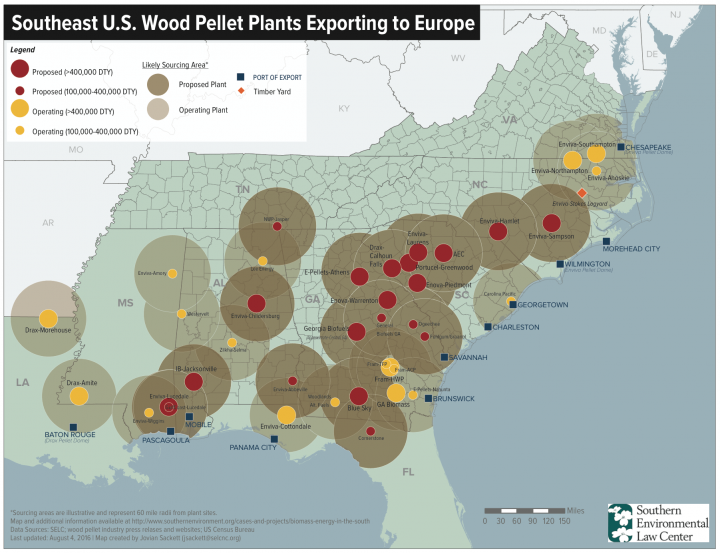
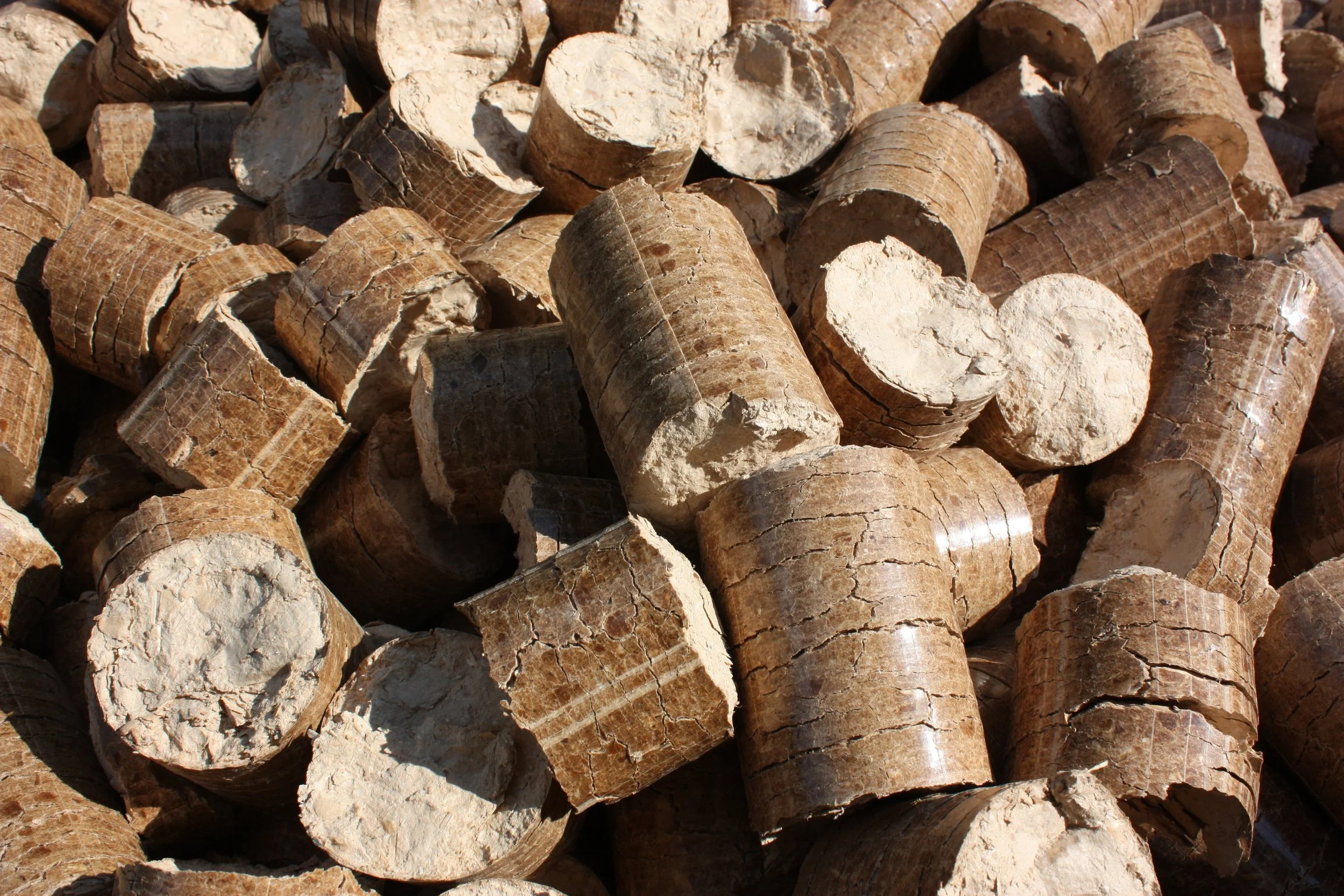
At first glance, wood pellets seem to be an environmentally responsible alternative to coal or other fossil fuels. In reality, the open-air combustion of woody biomass emits more carbon per unit of energy than most fossil fuels, including coal. The process essentially takes the carbon stored in the forest and puts it directly into the atmosphere via the smokestack. The EU and UK have since discovered that burning wood pellets to generate electrical power is a disaster for climate policy, not a solution. The resulting decrease in demand has devastated the US wood pellet industry and idled a tremendous supply of Southeastern woody biomass.
SynSel Modular Synthetic Biorefineries are a Favorable Alternative to Wood Pellets.
Located in economically struggling rural American towns with readily available woody biomass and existing utility and transportation infrastructure.
Responsible wood management is rigorously implemented to harvest plantation wood (that was previously harvested and replanted with the intent of future harvesting) rather than clearing natural forests.
To obtain financial production incentives provided by the EPA’s RIN program, SynSel plants must monitor and register the source of all woody biomass.
