

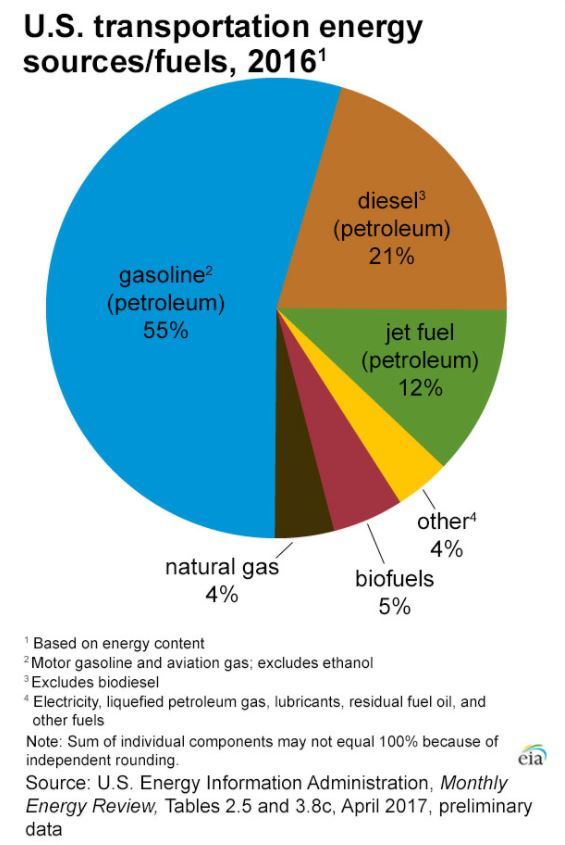
The US government continues to focus on ways to decrease dependence on foreign oil imports as a means to strengthen national security and the economy. More than 95% of transportation energy is petroleum based, and about 50% of US oil is imported. It is easy to surmise that a major disruption or severe price increase in oil would have drastic impacts on the US economy, security, and overall health of the country.


SynSel supports US energy security initiatives by using non-food, renewable woody biomass feedstock to produce synthetic drop-in, tank ready biofuels that meet ASTM standards. There is an abundance of woody biomass in the US with an estimated 137 million tons per year of unallocated wood waste.
Traditional fossil fuel refineries are 25 to 100 times larger than a SynSel plant. Almost all of these fossil fuel plants are located on an ocean coast and many are susceptible to hurricanes. In comparison, SynSel Modular Synthetic Biorefineries are small and manageable at 200 tons-per-day input, producing about 17,200 gallons per day. SynSel plants will be largely located inland and not susceptible to weather-related interruptions.
Electric vehicles have emerged as an environmentally friendly alternative to traditional petroleum fueled internal combustion engines. Today’s internal combustion engines fueled with SynSel Synthetic Biofuel provide an instant alternative to petroleum, with a much greater reduction in lifetime carbon emissions than today’s electric vehicles. In addition, imported cobalt and lithium are necessary elements in electric vehicle batteries.
To assure a reliable supply of transportation fuel, the US Department of Defense has a strong interest in sources of domestic fuel production such as SynSel Modular Synthetic Biorefineries. A SynSel plant could be hosted within a military base assuming the necessary wood feedstock is abundant.
